





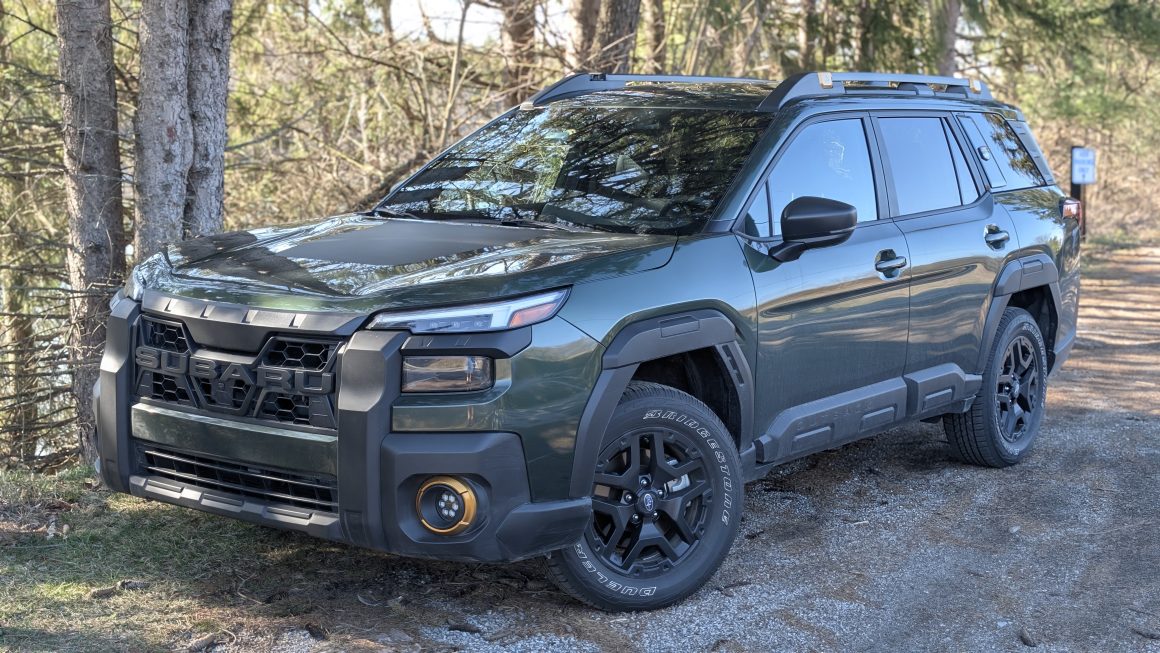
The 2026 Subaru Outback Wilderness takes Subaru’s already capable wagon and pushes it further into adventure-ready territory with more rugged hardware, stronger roof-rack capacity, and a turbocharged engine designed to handle tough terrain and long road trips alike. It brings useful upgrades like 9.5 inches of ground clearance, a 260-horsepower turbo engine, and a roof rack that can support up to 800 pounds when parked, along with updated infotainment tech that makes everyday driving more convenient.
At the same time, the Wilderness trim isn’t perfect. Its price can climb close to $50,000 when equipped, the styling leans heavily into chunky off-road looks that not everyone will love, and despite the upgrades it still isn’t built for extreme off-roading like a body-on-frame SUV.
PRO: Added Off-Road Features
The 2026 Subaru Outback Wilderness adds real trail capability with 9.5 inches of ground clearance, all-terrain tires, and improved angles (about 20° approach and 22.5° departure) that help it clear rocks, ruts, and steep driveways without scraping the bumpers. Its upgraded dual-mode X-Mode system for Snow/Dirt and Deep Snow/Mud works with new suspension tuning and AWD to keep traction on slippery trails or uneven terrain, making it feel far more capable than a typical crossover when the pavement ends.
PRO: Powerful Powerplant
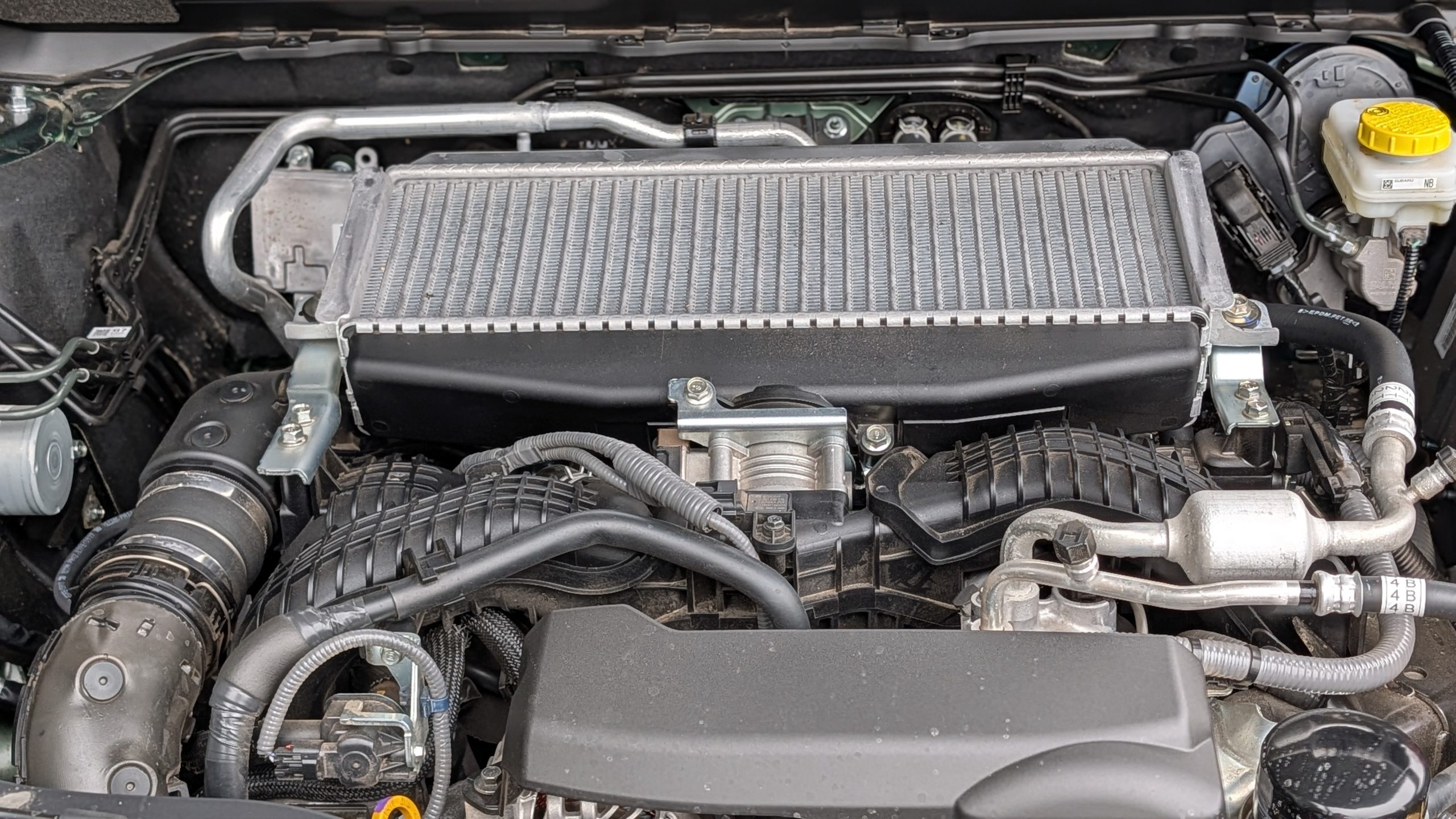
The 2026 Subaru Outback Wilderness packs a turbocharged 2.4-liter boxer engine producing about 260 horsepower and 277 lb-ft of torque, giving it strong acceleration and plenty of muscle for climbing steep grades or towing up to 3,500 pounds. The turbo delivers peak torque at just 2,000 rpm, so the vehicle feels responsive and confident whether you’re merging onto the highway or powering through muddy trails.
PRO: Updated Tech/Infotainment
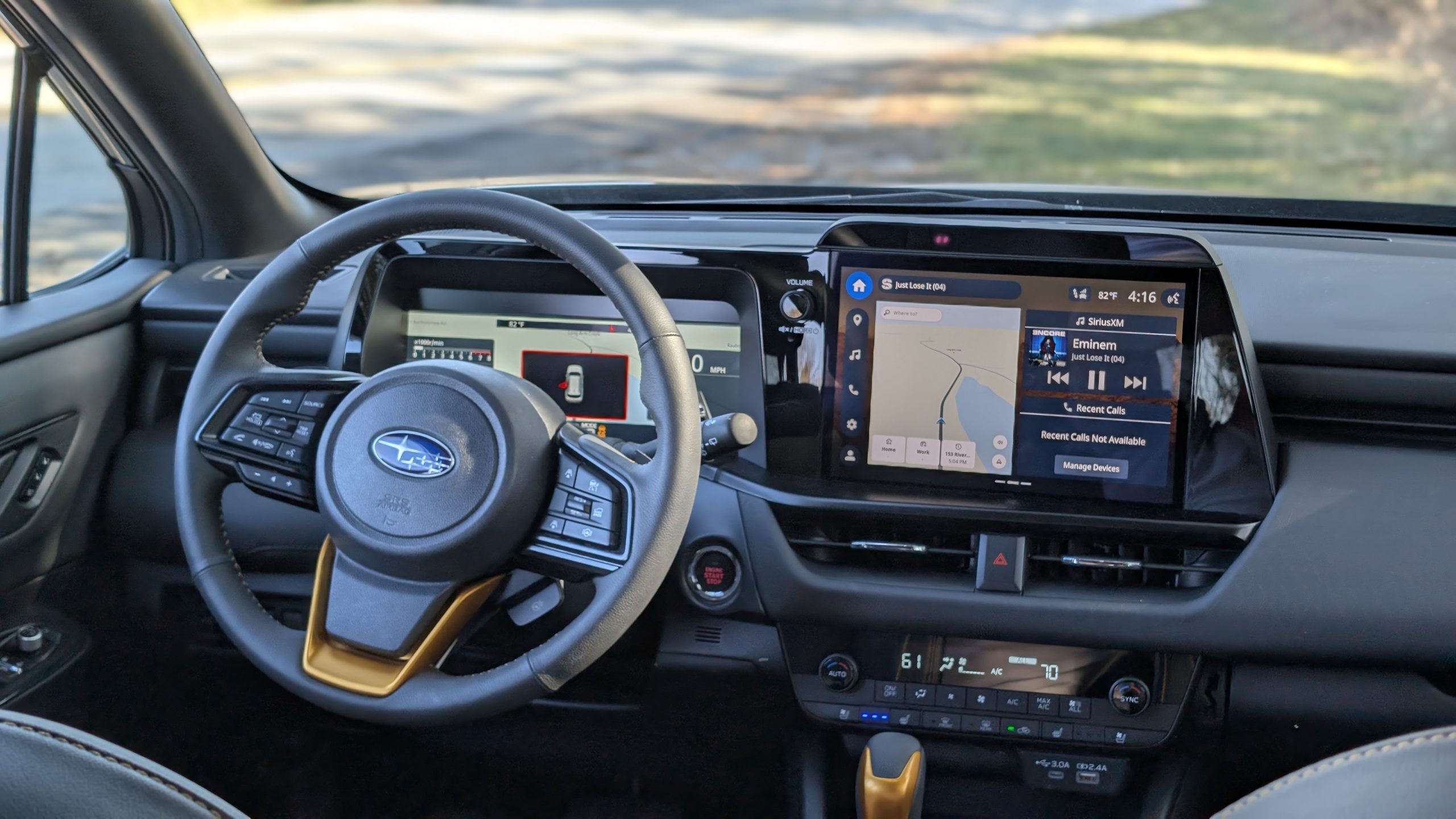
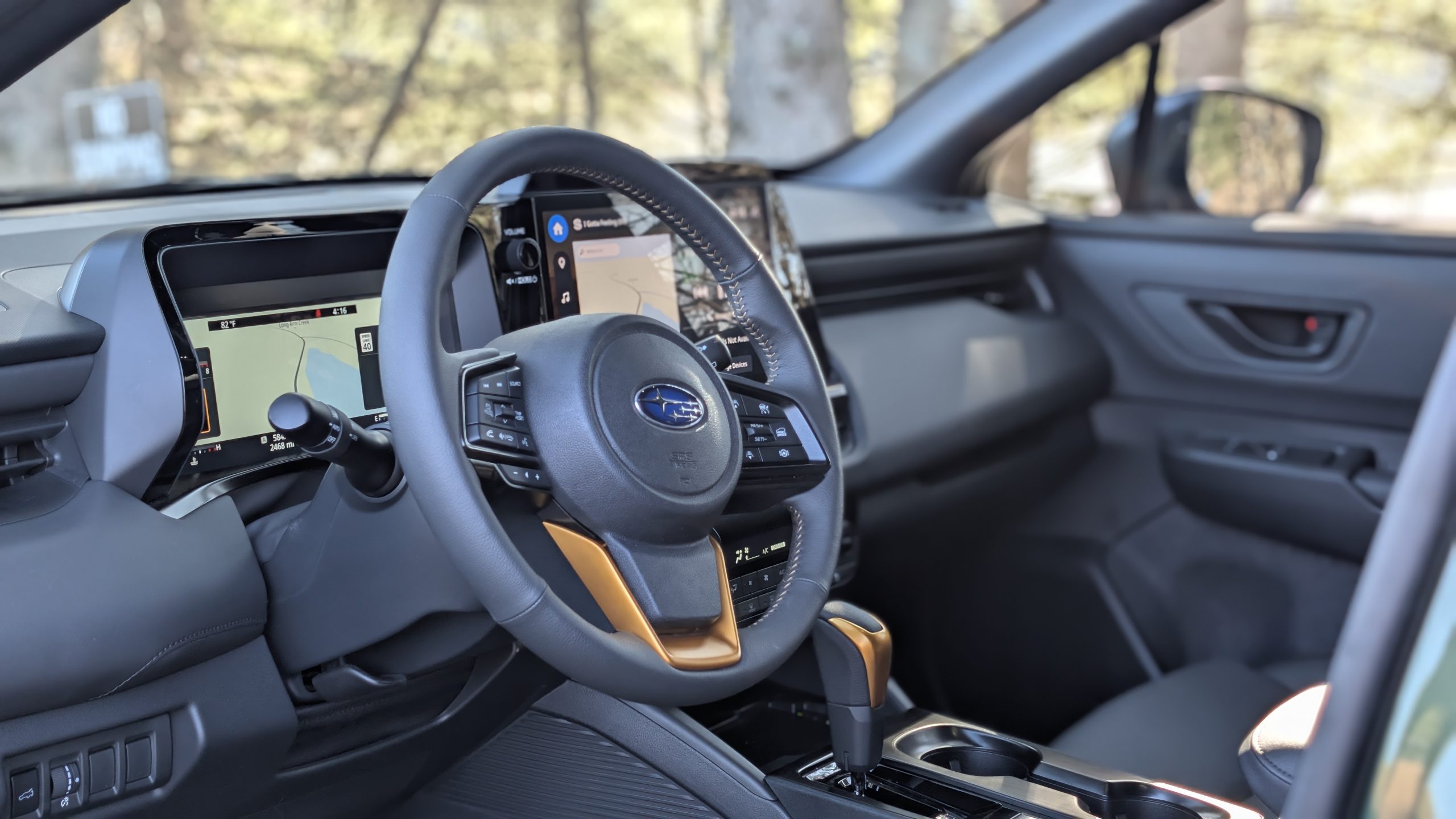
The 2026 Subaru Outback Wilderness brings a big upgrade inside with a standard 12.1-inch touchscreen and a fully digital 12.3-inch gauge cluster, giving drivers a large, clear interface for navigation, music, and vehicle info. It also supports wireless Apple CarPlay and Android Auto, along with faster processing and cloud-based voice commands, so apps, maps, and media respond quickly without needing to plug in your phone.
PRO: Roof Rack Can Handle More
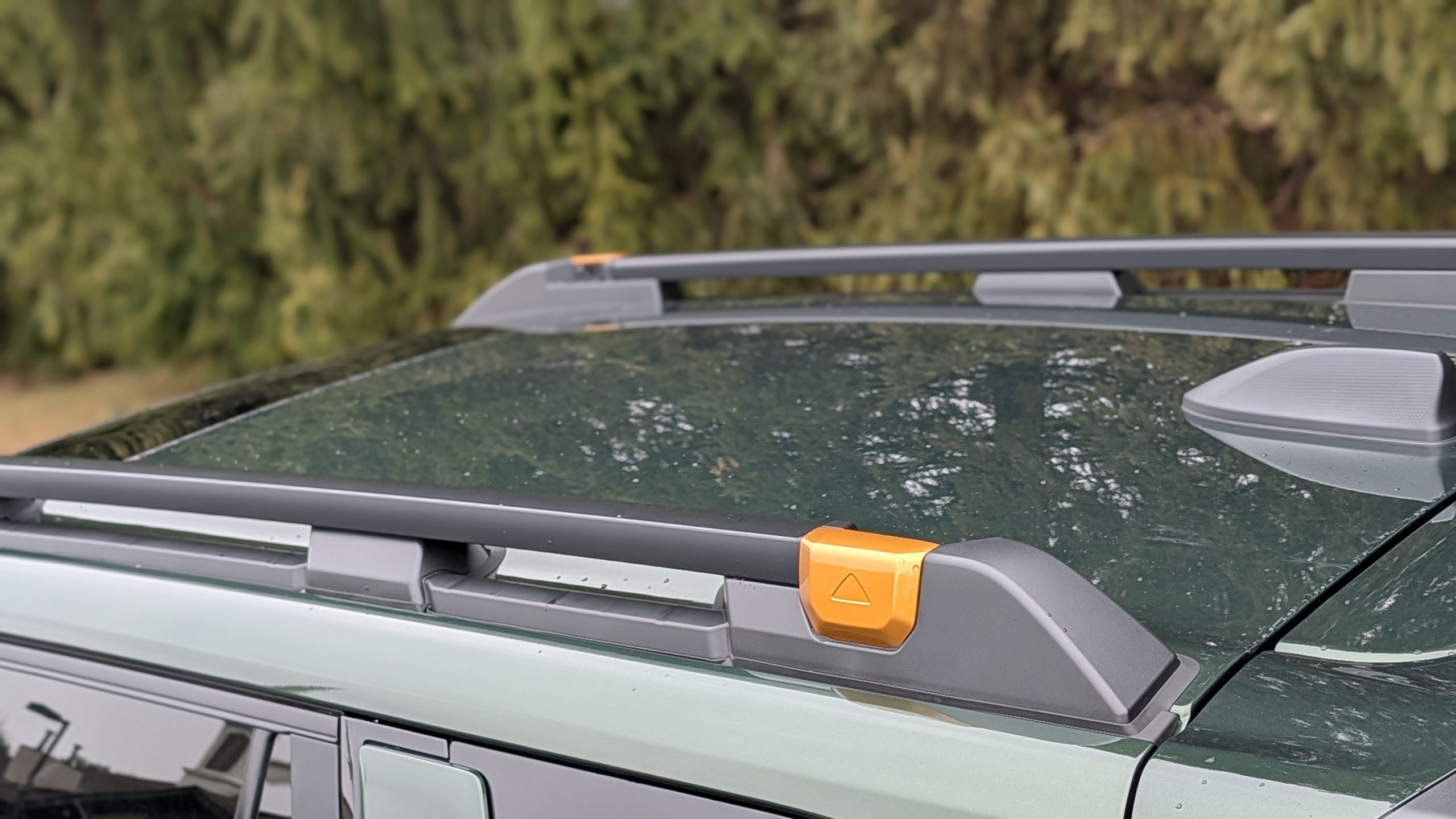
The 2026 Subaru Outback Wilderness comes with a tougher roof rack system that can carry up to 220 pounds while driving and about 800 pounds when parked, making it ideal for hauling gear like kayaks, rooftop tents, or multiple bikes on outdoor trips. That added strength means you can load serious adventure equipment on top and still have the confidence that the rack is designed to handle the weight safely on the highway or at camp.
CON: Expensive Outback
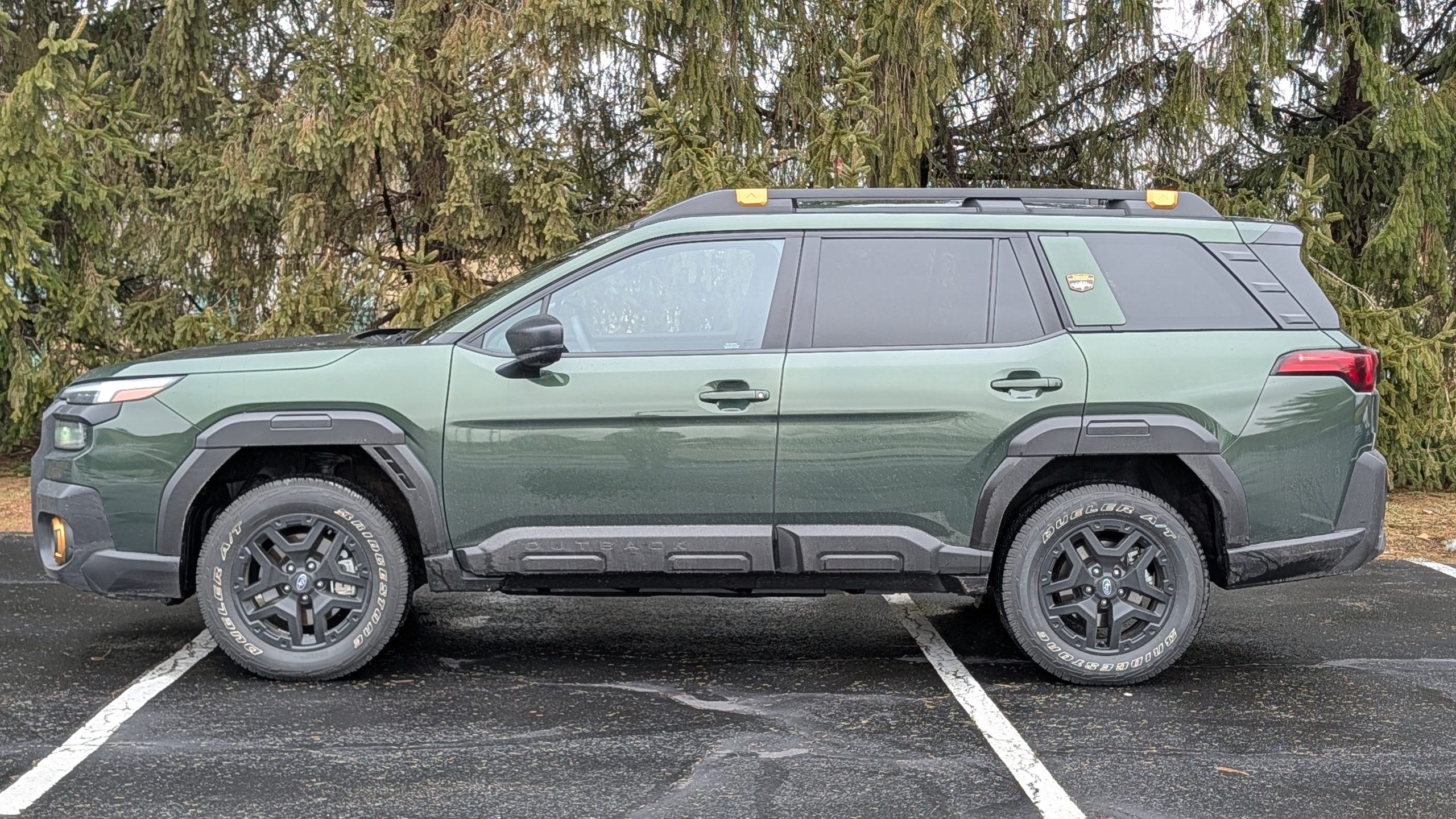
The 2026 Subaru Outback Wilderness starts around $44,995 MSRP (about $46,445 with destination), which is a pretty steep price for a midsize wagon-style SUV that still uses a CVT and shares many features with cheaper Outback trims. Once you add common option packages and extras, the price can climb close to $49,000–$50,000, putting it in the same territory as larger or more luxurious SUVs.
CON: Exterior Isn’t for Everyone
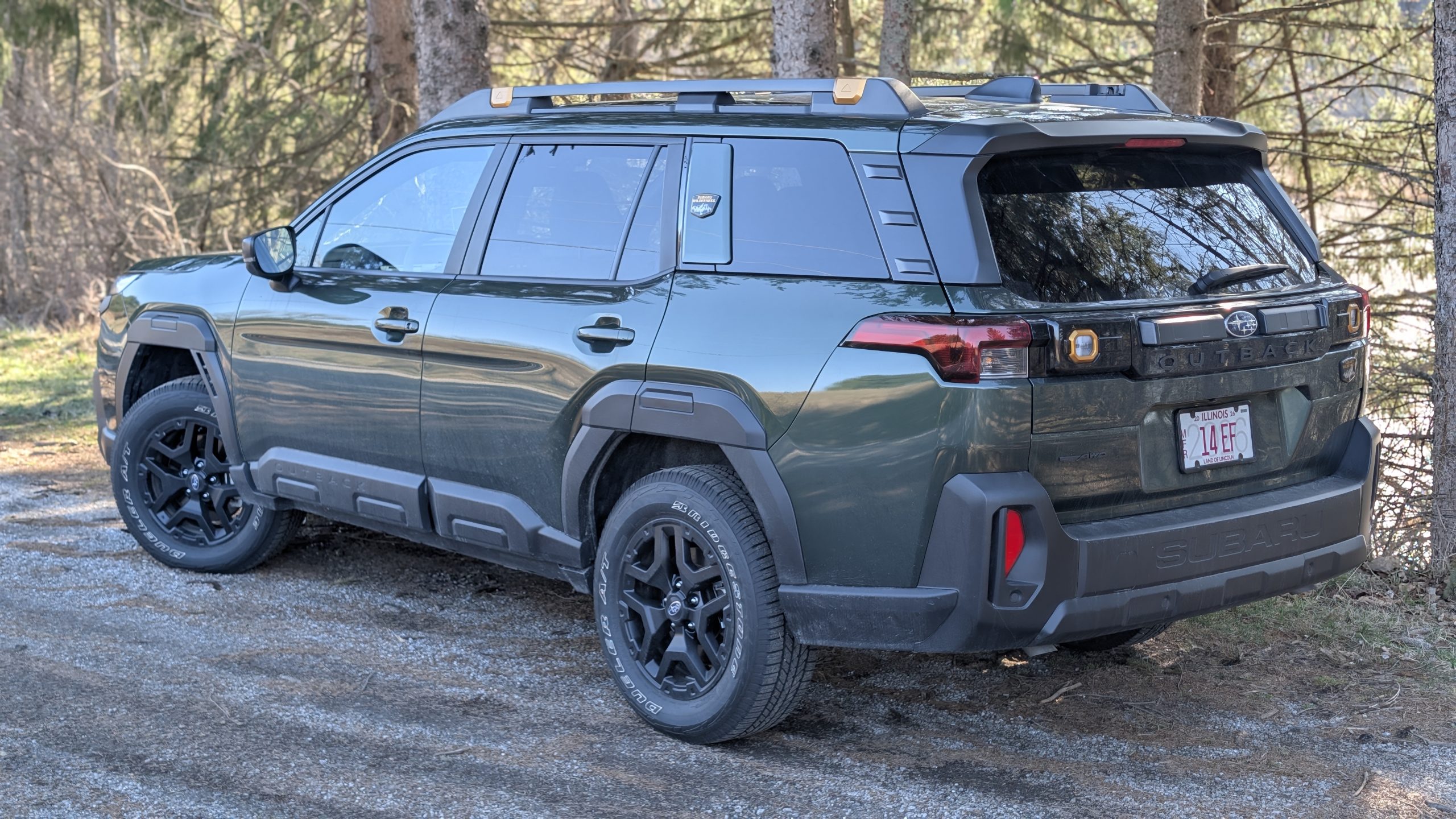
The 2026 Subaru Outback Wilderness leans heavily into rugged styling, but the chunky black cladding, oversized bumpers, and bold “SUBARU” grille can make the exterior look a bit overdone compared to the cleaner design of earlier Outbacks. The boxier shape and heavy plastic trim around the wheel arches and body panels may help protect the vehicle off-road, but some drivers feel it makes the SUV look bulky and less refined than competitors in the same price range.
CON: True Off-Road Capability
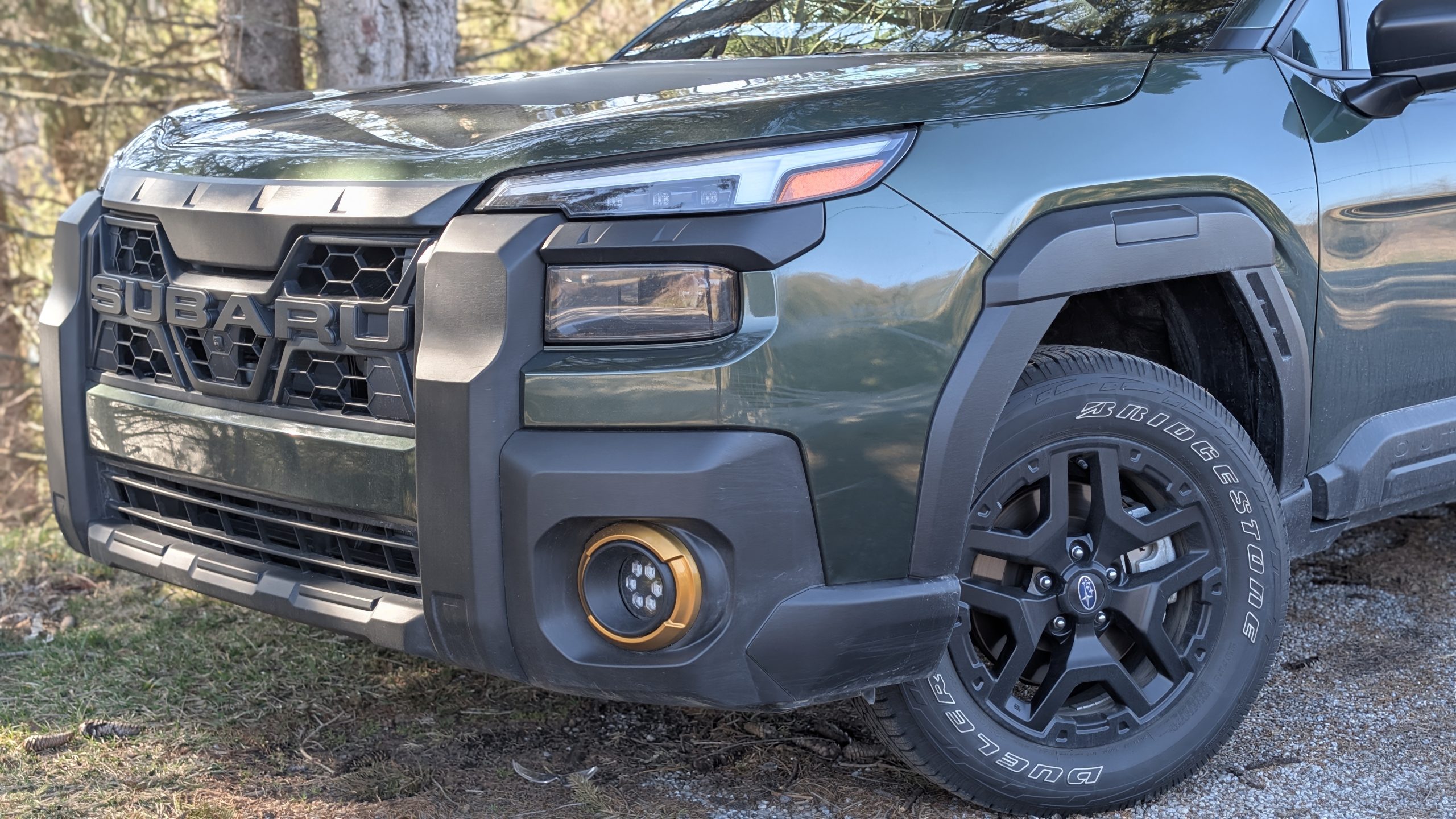
Even though the 2026 Subaru Outback Wilderness has upgrades like 9.5 inches of ground clearance, its 20-degree approach angle and 22.5-degree departure angle still fall short of what you typically see on serious off-road vehicles, which can limit how steep a trail it can tackle without scraping the bumpers. Because it’s built on a crossover platform with a CVT transmission and no low-range gearing, it’s better suited for dirt roads, snow, and mild trails rather than hardcore rock crawling or deep off-road terrain.